Features:
Authentic Rust & Weathering Effect
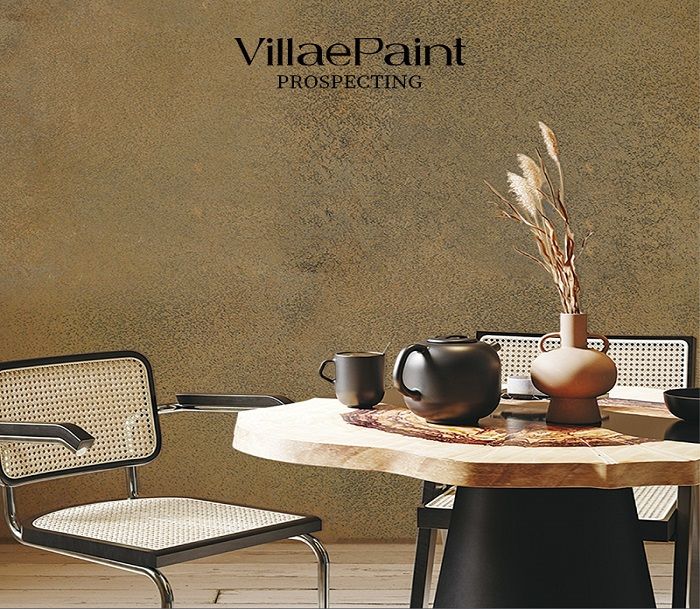
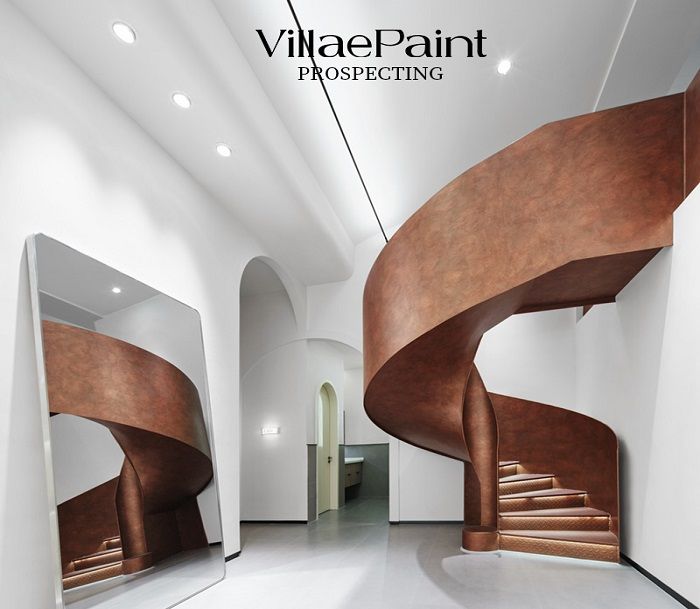
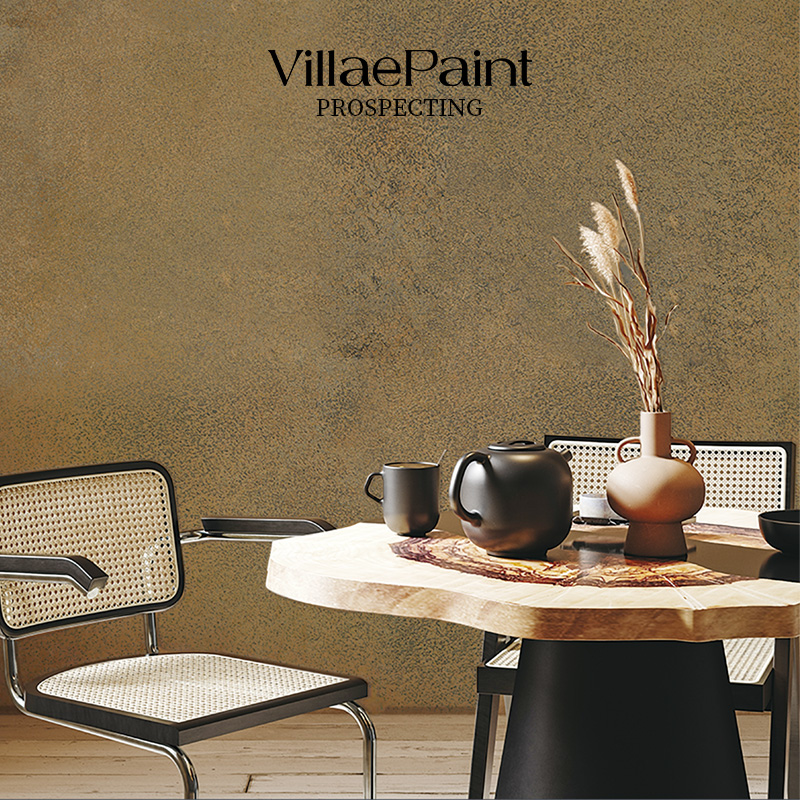
PROSPECTING captures the raw beauty of aged iron and weathered metal. This unique artistic paint creates multi layered rust patina – from soft orange-brown oxidation to deep, crusted rust tones. Each finish tells a story of time, nature, and industrial elegance.
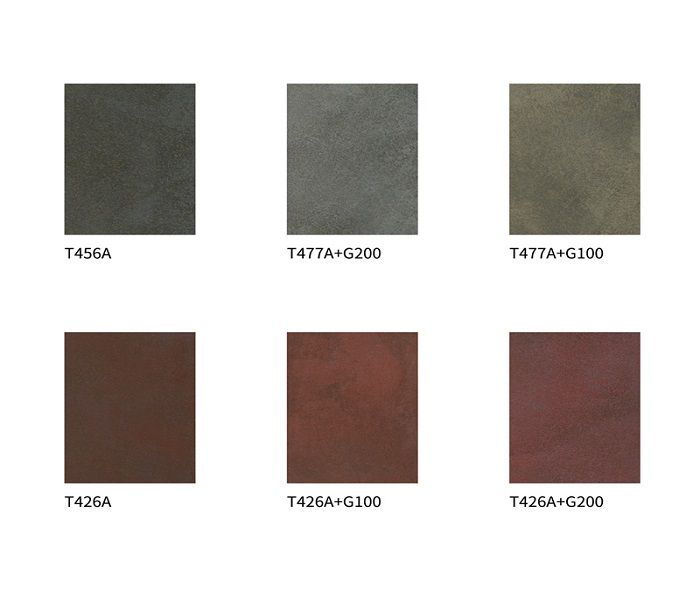
Varied Rust Color Palette
Achieve different stages of rust:
Early oxidation – warm amber and light rust
Mature rust – rich burnt orange and terracotta
Aged patina – deep brown, charcoal, and weathered black
Textured, Tactile Finish
The surface mimics real rusted metal – slightly rough, irregular, with subtle peaks and valleys that catch light and shadow. Perfect for industrial, steampunk, vintage, and reclaimed wood aesthetics.
Durable & Breathable
Resists flaking and daily wear. The breathable formula helps prevent moisture buildup, suitable for indoor walls, feature panels, and commercial spaces.
Eco Friendly & Low VOC
Safe for homes, studios, restaurants, and offices. No harsh chemicals. Meets international environmental standards.
Global Shipping Ready
Securely packaged for international delivery.
Application Process – Creating the Rust Patina Effect
To achieve the signature PROSPECTING rusted metal look, follow these professional steps using the recommended tools.
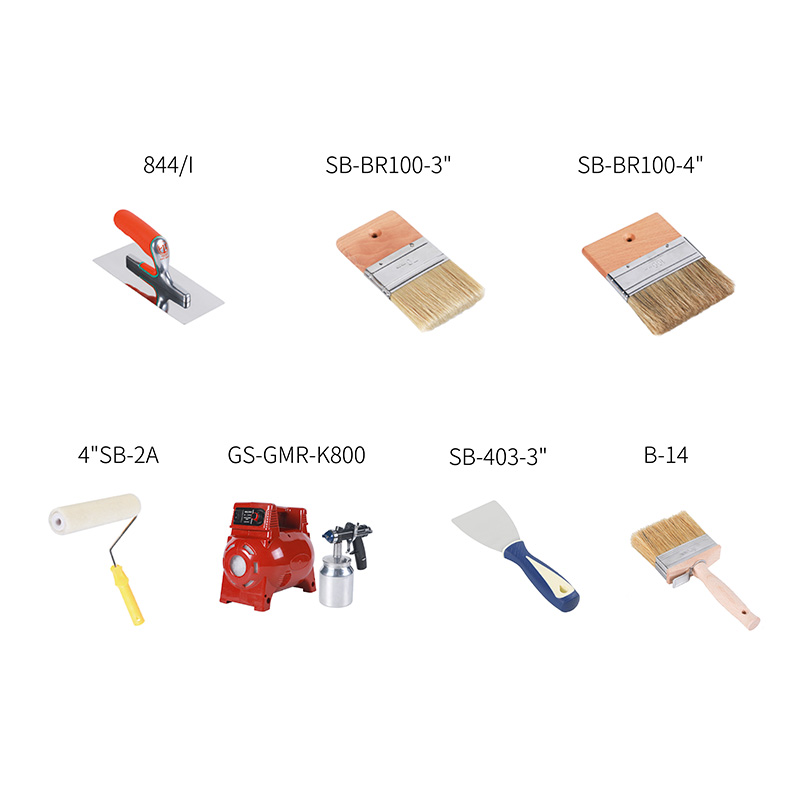
| Step | Tool | Action |
|---|---|---|
| 1. Base coat | Premium wool roller | Apply a dark, uneven base coat (charcoal, deep brown, or black). Use irregular pressure to create a mottled foundation. Allow to dry. |
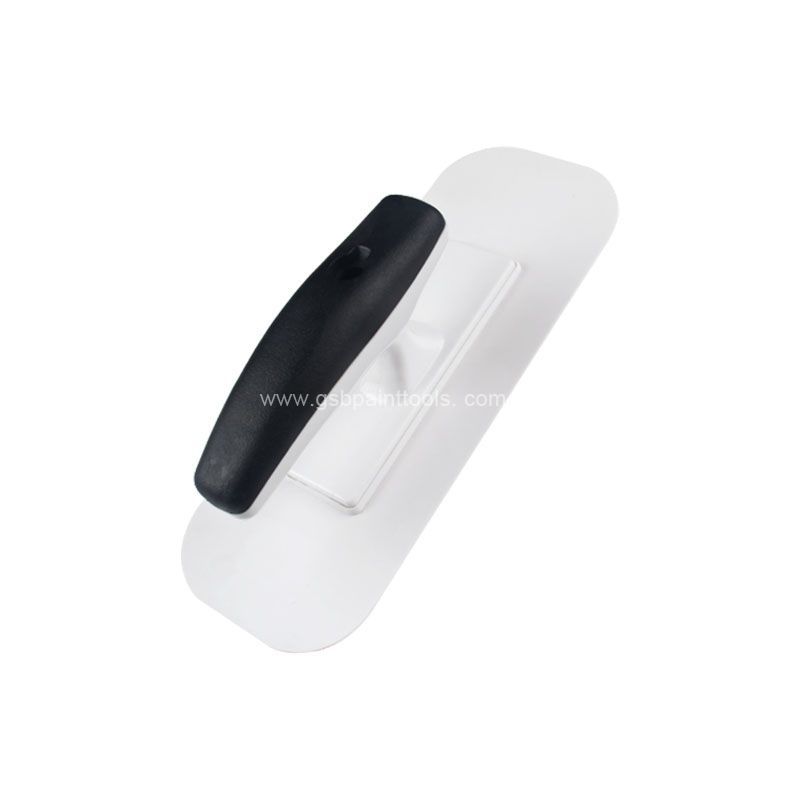
| 2. Apply rust color layer | Stainless steel trowel | Mix warm rust tones (orange, burnt sienna, ochre). Apply a second coat with the stainless steel trowel using random, dabbing motions. Leave some base color exposed – this mimics real corrosion. |
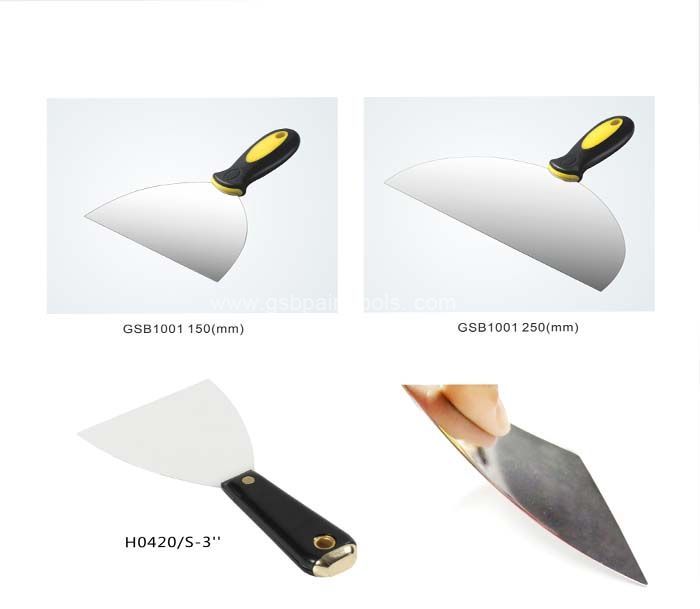
| 3. Create streak and stain patterns | Stainless steel strip knife | Use the stainless steel strip knife to scrape, drag, and dab wet rust paint. Create vertical drip marks, horizontal streaks, and pitted spots – like water running down old iron. |
| 4. Add texture and granular feel | Pig bristle brush | Stipple and pounce the pig bristle brush aggressively over the surface. The stiff natural bristles create tiny pits, grain, and a slightly rough, crusty texture. |
| 5. Blend and soften edges | Premium wool roller (slightly damp) | Lightly roll over high spots with a slightly damp wool roller to soften harsh edges and blend color transitions. This creates a more natural, aged appearance. |
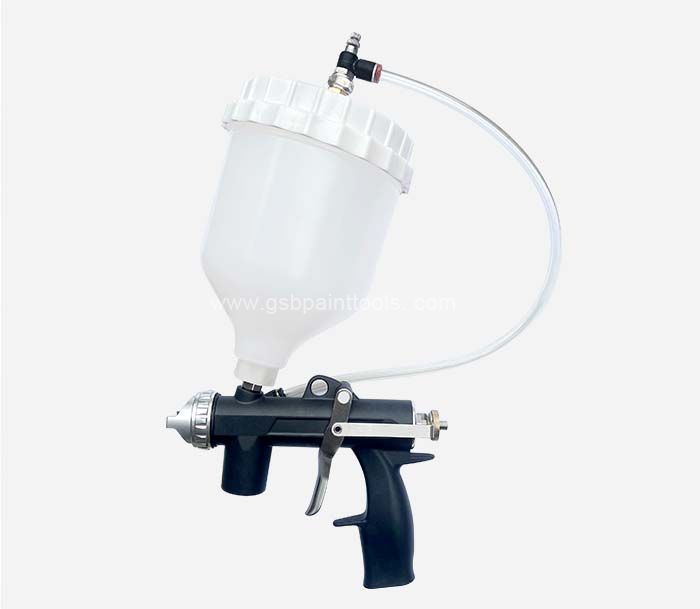
| 6. Final oxidation mist (optional) | Imported spray gun | Dilute a light rust color (orange-brown). Use the imported spray gun to spray a fine mist from a distance. This creates a dusting of “rust powder” and unifies the finish. |
Pro Tip: Always test on a sample board. The key to realism is layering and irregularity – don’t aim for uniformity. Use the strip knife to add scratches and drip lines. The pig bristle brush is essential for the crusty, pitted rust texture. For a heavier, more industrial rust, apply a third rust layer with the trowel before the final spray.
None