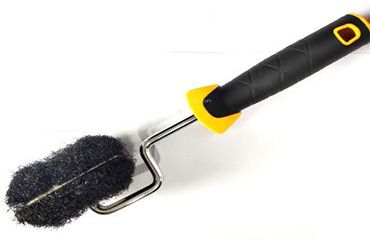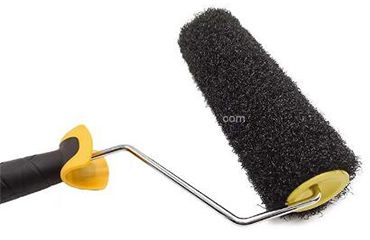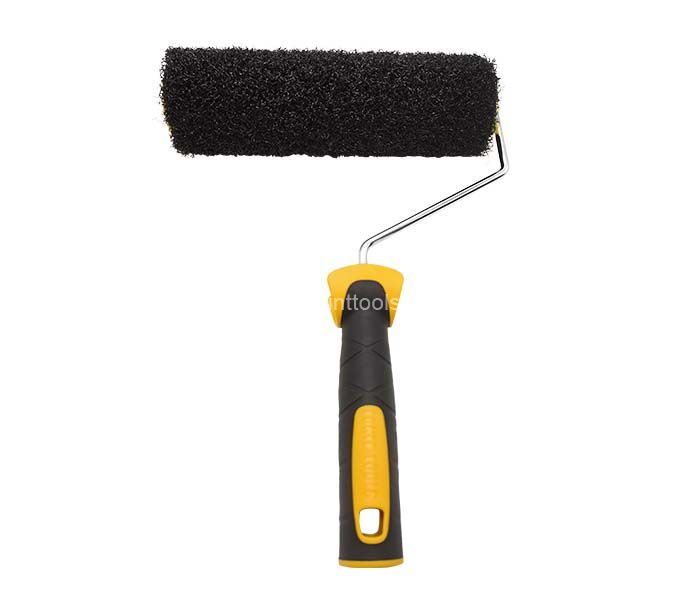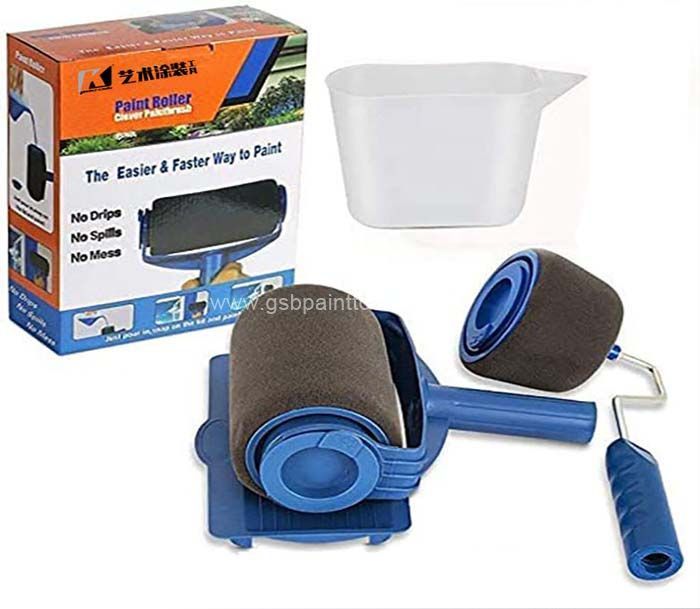
How Many Times Can a Paint Putty Roller Be Used?
Paint putty rollers are indispensable tools for achieving a smooth, even finish on walls and surfaces in both professional painting projects and DIY renovations. One critical consideration when using these rollers is understanding their longevity—how many times can a paint putty roller be used effectively before needing to be replaced? Whether you're a professional painter or a DIY enthusiast, knowing how to extend the life of your roller is crucial for maintaining efficiency and cost-effectiveness.
In this article, we will explore the factors that affect the longevity of paint rollers, the average lifespan of a paint putty roller, and how you can maximize its usability to achieve high-quality results with every application.
Factors Affecting Roller Longevity
The number of uses a paint putty roller can withstand before it wears out depends on several factors, including the quality of the roller, the type of paint or putty being applied, the surface being painted, and how well the roller is cleaned and maintained after each use.
1. Quality of the Roller
High-quality paint rollers are designed to last longer and perform better than cheaper alternatives. Premium rollers made from durable materials, such as polyester or nylon, are built to handle multiple uses and can be cleaned more thoroughly without degradation. Investing in a high-quality paint roller will result in significant long-term savings, as you won’t need to replace the roller as frequently, ensuring you get the best value out of your tool.
2. Type of Paint or Putty
The type of paint or putty you’re using plays a significant role in the roller's lifespan. Oil-based paints and heavy putties can be harder on rollers compared to water-based paints. Oil-based products require more thorough cleaning to remove residues, which can break down the roller’s fibers and reduce its usability. On the other hand, water-based paints are easier to clean off, allowing for more frequent use of the same roller without it wearing out prematurely.
3. Surface Being Painted
The surface you are painting also impacts the durability of your roller. Smooth surfaces generally cause less wear and tear on the roller since there’s less friction. However, rough or textured surfaces can quickly deteriorate the roller due to increased abrasion. For surfaces like brick, stucco, or exterior walls, it’s important to select a roller with a durable cover designed for these tough applications to ensure better longevity.
4. Cleaning and Maintenance
Proper cleaning and maintenance are key to extending the life of a paint roller. A well-maintained roller can be reused many times, but without proper cleaning, the roller will lose its effectiveness. After each use, ensure that the roller is cleaned thoroughly according to the type of paint or putty applied. For water-based paints, rinse the roller with soap and water, while oil-based paints may require solvent-based cleaning solutions. Allow the roller to dry completely before storing it to avoid the buildup of dried paint, which could cause it to deteriorate and affect its performance.
Average Lifespan of a Paint Putty Roller
The lifespan of a Paint putty roller can vary significantly depending on how well it’s cared for and the factors discussed above. On average, a high-quality roller can be used for 5-10 projects before it begins to show signs of wear. However, some professional-grade rollers, when properly cleaned and maintained, can last even longer, making them a reliable investment for frequent painters.
Signs That Your Roller Needs to Be Replaced
To ensure the best results and prevent subpar finishes, it’s important to recognize when your roller is no longer suitable for use. Here are the most common signs that indicate it’s time for a replacement:
Shedding: If the roller starts shedding fibers, it can leave streaks or textures on the surface, impacting the quality of the paint finish.
Matting: Over time, the nap (fabric covering) of the roller may become compressed or matted, reducing its ability to hold and distribute paint evenly.
Inconsistent Application: A worn roller may apply paint unevenly, leaving streaks, blotches, or patchy areas.
Difficulty Cleaning: If the roller is becoming increasingly difficult to clean, or if it retains paint even after thorough washing, it’s likely time for a new roller.
Maximizing Roller Usability
To get the most out of your Paint putty roller, here are some best practices for cleaning, storage, and usage:
1. Proper Cleaning
After each use, clean the roller immediately and thoroughly. Use the appropriate cleaning agents based on the paint type—soap and water for water-based paints, and solvents for oil-based paints. Always rinse until the water runs clear to ensure that all residues are removed.
2. Drying and Storage
Allow the roller to dry completely before storing it in a clean, dry place. Store it in a protective cover to prevent dust and debris from contaminating the roller between uses.
3. Use Roller Covers
To extend the roller’s life, consider using roller covers to protect it between uses. These covers prevent dust, debris, or hardened paint from damaging the roller, ensuring that it stays in optimal condition for future projects.
Conclusion: Get the Most Out of Your Paint Putty Roller
The number of times you can use a paint putty roller depends on its quality, the type of paint or putty applied, the surface being painted, and how well you maintain it. By investing in high-quality paint rollers and following proper cleaning and maintenance routines, you can significantly extend the lifespan of your roller, ensuring consistent, professional results in every painting project.
If you're looking for premium paint rollers or need advice on selecting the best roller for your project, we’re here to help. Contact us todayto find a reliable supplier and get the tools you need to achieve the best finish every time.