How do wood graining tools create realistic wood effects
As a professional, I understand the common challenge many businesses face in creating aesthetically pleasing, wood-like finishes without using actual wood. The good news is that with the right Imitation Wood Grain Effect Tool Wholesale, you can achieve stunning wood effects effortlessly. This article will lead you through clear, actionable steps to create realistic wood effects using wood graining tools that address typical user problems, ensuring efficiency and high-quality results every time.
Graining Techniques: Step-by-Step Application
-
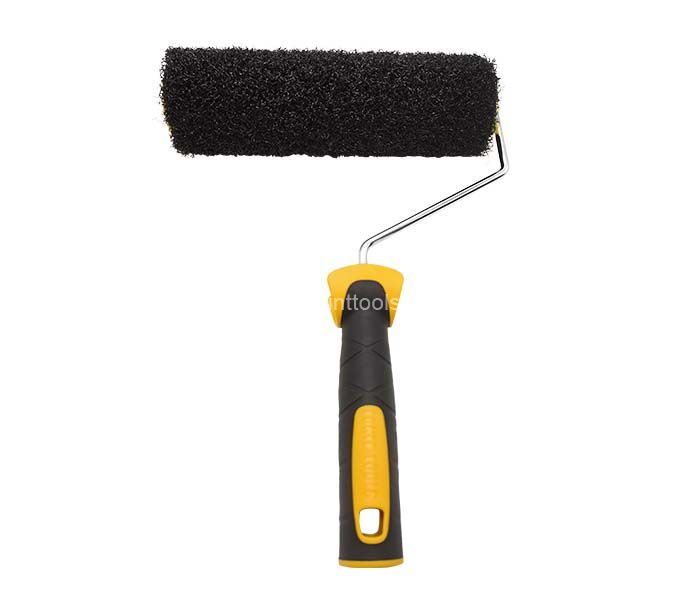
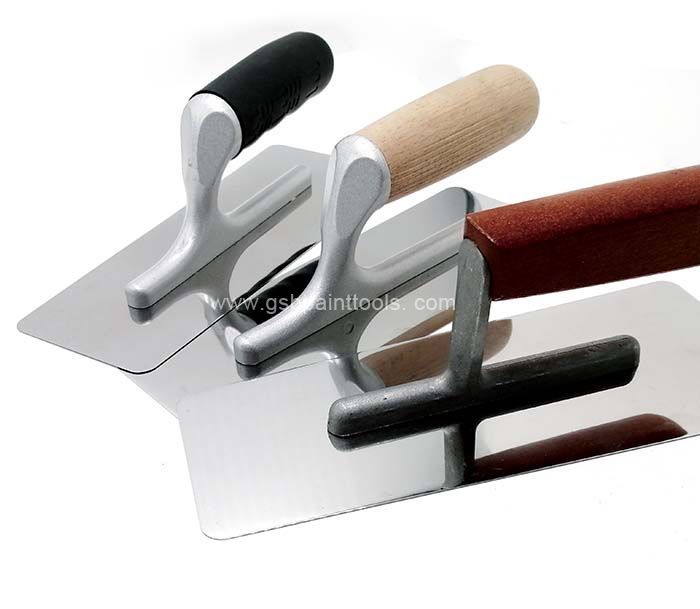
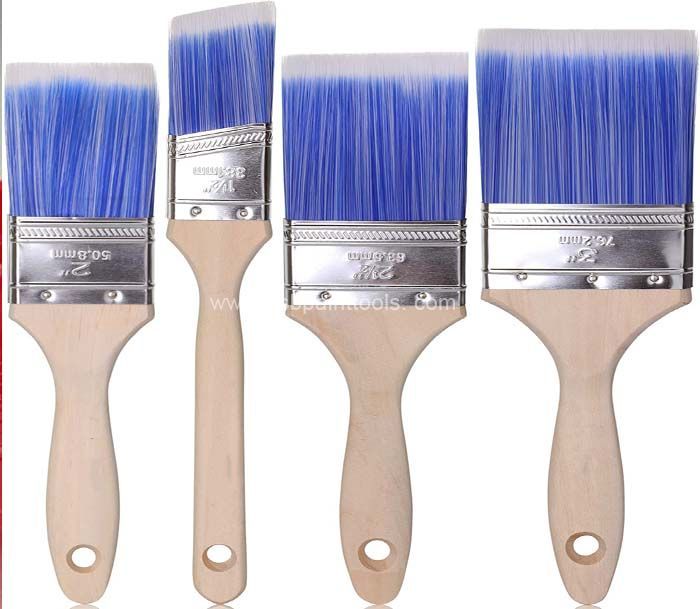
Select the Right Tools: The foundation of achieving realistic wood effects lies in using quality wood graining tools. Look for tools from reliable suppliers like G.SB, which offer a range of options that allow you to replicate wood textures with precision.
-
Prepare Your Surface: Before starting, ensure that the surface you plan to decorate is clean, dry, and free from any imperfections. A smooth base adheres better to paint and stain, leading to more accurate results. Sand the surface lightly if needed and apply a primer to enhance adhesion.
-
Choose the Right Color Palette: Opt for high-quality paints that mimic wood colors. A two-tone approach often yields the best results, layering darker and lighter shades to mimic the natural variations found in real wood.
-
Apply Base Coat: Once your surface is prepared, apply a base coat of the lighter wood color. This layer should be even and smooth; allow it to dry completely before moving on to the next step.
-
Graining Process:
- Begin with your darker color and apply it using a foam brush or a spray nozzle, depending on your tool.
- Utilize a wood graining tool to create the desired texture or wood grain pattern. Press the tool on the surface firmly and drag it gently to achieve the authentic striations and knots typical of wood.
- Work in small sections, ensuring you maintain consistency throughout the application.
-
Add Details: Once the main graining is completed, add finer details. A smaller detailing tool can help recreate intricate lines, allowing you to enhance the realism of your wood effect.
-
Finish with Sealer: Protect your hard work by applying a clear sealer once everything is dry. This not only protects the final finish but also enhances the vibrant colors.
Tackling Common Challenges
While creating realistic wood effects can be straightforward, several challenges may arise during execution:
-
Uneven Surface Texture: If you find that the texture isn’t consistent, the issue may lie in the application of the graining tool. Ensure you apply an even pressure and angle when dragging the tool over the surface.
-
Color Mismatch: To avoid colors that clash or do not mimic real wood well, always test paint pairs on a scrap piece of material first.
To enhance efficiency, consider using a spraying setup for base and top coats, as it guarantees an even layer with less effort compared to brushes while achieving precision up to 0.01mm.
Next Steps in Your Wood Graining Journey
Now that you have a clear roadmap, it's time to take action. Remember the key steps: selecting the right tools like the Imitation Wood Grain Effect Tool Wholesale, preparing your surface meticulously, applying a base and graining with care, and finishing it off with a sealer.
Here’s a quick recap of essential actions to ensure you’re equipped to replicate wood effects successfully:
- Invest in quality wood graining tools from trusted suppliers.
- Properly prepare the surface for the best adhesion.
- Use a well-balanced color palette to replicate real wood.
- Apply a detailed graining technique for authenticity and add finishing touches.
By following these steps, you can effectively solve the problem of achieving realistic wood effects for your projects, enhancing both aesthetics and functional value. I encourage you to start today, using these techniques as a framework, and unlock the potential for stunning wood-like finishes in your business.