How do wood graining tools create realistic wood effects
Creating stunning, realistic wood finishes can be a game-changer for businesses in industries like furniture manufacturing, interior design, and home improvement. If you've ever struggled with producing authentic-looking wood textures, I’m here to guide you through the process of using wood graining tools effectively. By the end of this article, you’ll have actionable steps to achieve a convincing imitation wood grain effect using the G.SB brand’s tools, ensuring your projects stand out in a competitive market.
Understanding Wood Graining Tools
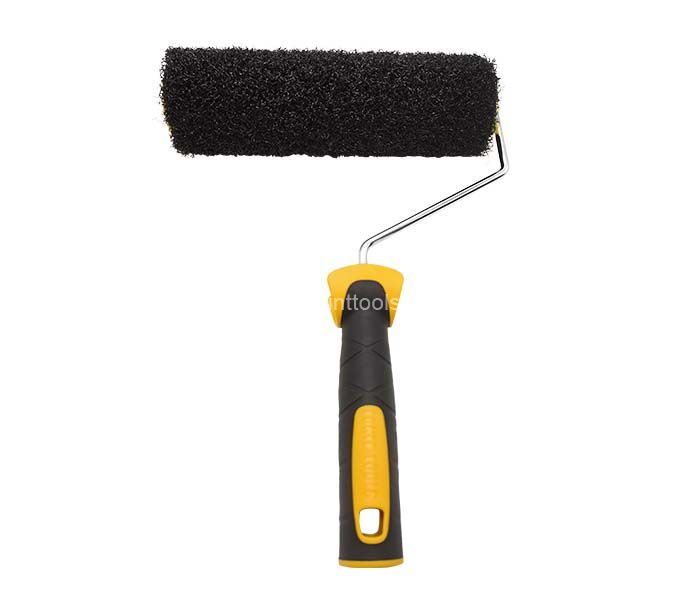
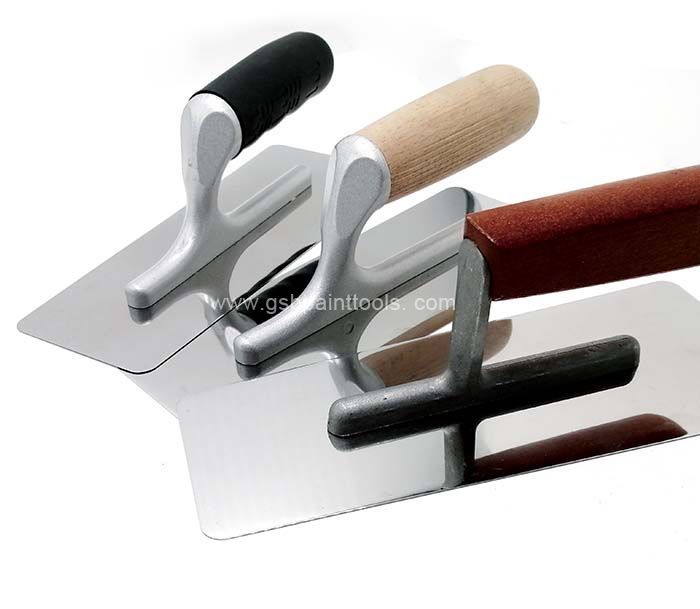
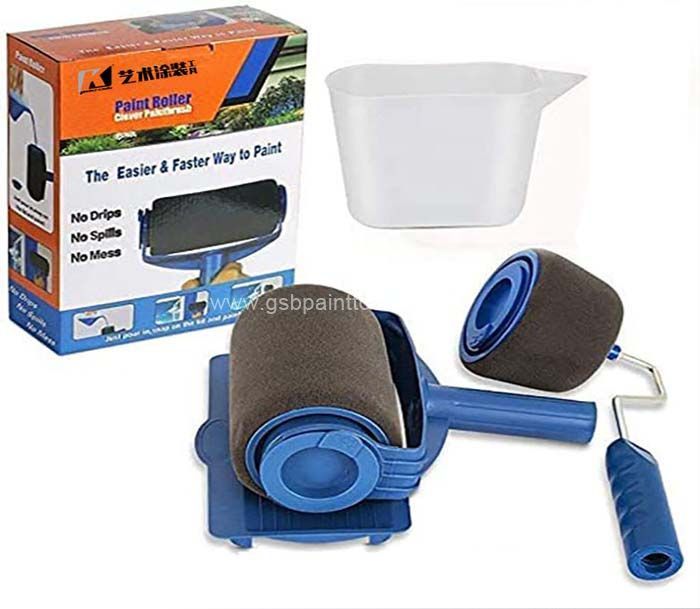
Wood graining tools, such as the Imitation Wood Grain Effect Tool Wholesale from G.SB, are designed to replicate the intricate patterns found in natural wood. These tools are instrumental in creating textures that mimic wood’s grain and finish accurately. The precision of these tools can achieve details as fine as 0.01mm, which is crucial for authenticity.
Step-by-Step Guide to Achieve Realistic Wood Effects
-
Preparation Work
Begin by selecting a suitable surface for your wood effect. Clean and sand the surface to ensure it is smooth and ready for applying paint or stain. Proper preparation is key to achieving a flawless finish. -
Base Coat Application
Choose an appropriate base color that complements the wood finish you aim to replicate. Apply this base coat evenly across the surface, using high-quality primers that adhere well to your chosen substrate. Ideally, this base coat should dry for at least 24 hours to achieve optimal adhesion. -
Graining Tool Technique
Now comes the most exciting part! With your Imitation Wood Grain Effect Tool Wholesale from G.SB, select the desired grain style:- Use the comb or rollers to follow the natural wood pattern you wish to imitate.
- Experiment with varying pressure and angle to replicate different wood types, whether it be oak, pine, or mahogany.
-
Topcoat Application
After the graining dries, protect your work with a clear coat. This coat not only enhances durability but also gives the surface a sheen similar to real wood. Follow ASTM D3359 standards for adhesion testing to ensure your finish adheres perfectly. -
Final Touches
Inspect your work closely; you can add small imperfections to enhance realism. Shadows or burn marks can also be added with a fine brush.
Challenges to Anticipate and Solutions
While executing this process, challenges may arise:
- Inconsistent Patterns: Adjust pressure and tool angle to maintain control over the effects.
- Paint Application Issues: Ensure proper drying times between each application. If you've rushed, you might see bubbling or streaks.
Tools and Resources for Efficiency
To enhance efficiency:
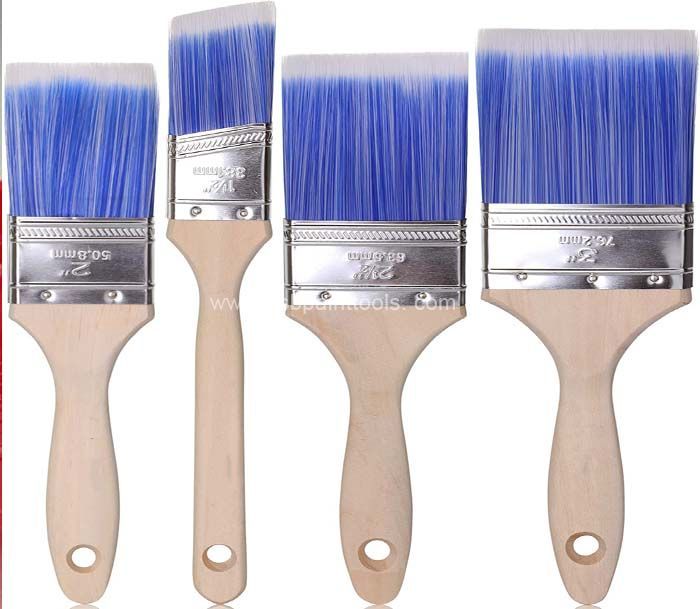
- Consider investing in high-quality brushes and paints specifically formulated for wood graining.
- Utilize online tutorials and forums for visual guidelines and community assistance when encountering issues.
Take Immediate Action!
Now that you understand the steps to utilize wood graining tools effectively, I encourage you to take action. Start by gathering your materials and setting aside uninterrupted time for this craft. Focus on mastering each step, and soon, your realistic wood effects will impress your clients and elevate your business.
Conclusion
Using high-quality wood graining tools like the Imitation Wood Grain Effect Tool Wholesale from G.SB can significantly transform your projects. By following the clear steps outlined, addressing potential challenges, and utilizing the right tools, you can create stunning, lifelike wood finishes that address client demands for aesthetic appeal and durability. Embrace this technique, and watch as your work gains the recognition it deserves in the marketplace!