How do wood graining tools create realistic wood effects
How Wood Graining Tools Create Realistic Wood Effects: Solving User Problems
In the world of DIY home improvement and crafting, achieving a realistic wood grain effect can often feel daunting for enthusiasts and professionals alike. Whether you’re a homeowner looking to revamp your interiors or a carpenter restoring vintage furniture, the need to replicate authentic wood textures without the associated cost of real wood can be a significant challenge. Users often seek tools that promise an imitation wood grain effect, yet many struggle with application techniques, results, and achieving that perfect finish. Enter wood graining tools like those offered by G.SB, which help users not only create stunning finishes but also address common frustrations in the process.
Required Preparation for Using Wood Graining Tools
Before diving into the process of creating wood-like finishes, users should ensure they have the right materials, tools, and knowledge. Preparation is key to overcoming initial barriers and achieving the desired results:
- Determine Your Surface: Decide if you’ll be working on walls, furniture, or decorative items. Different surfaces may require tailored techniques.
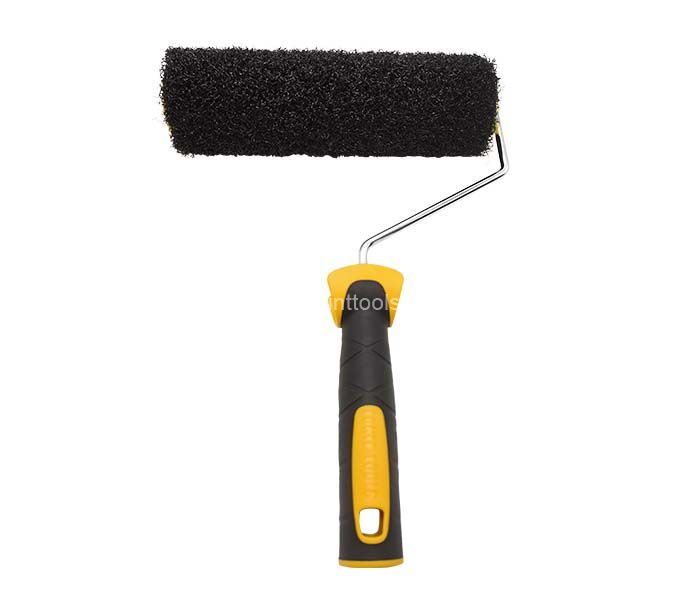
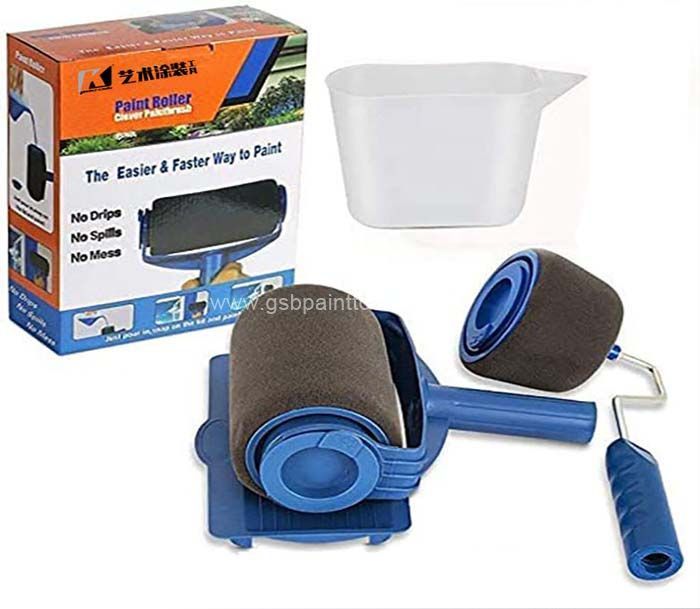
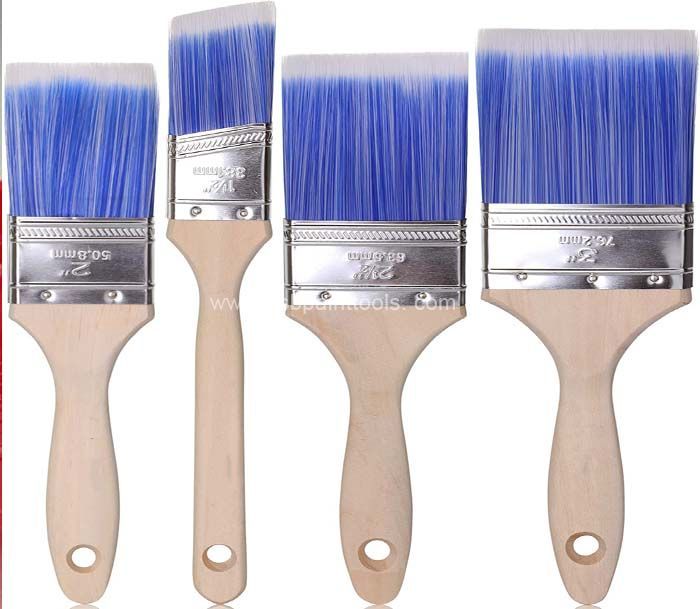
- Gather Materials: You’ll need paint (preferably high-quality acrylic or latex), a base coat, and the proper wood graining tool kit which includes brushes, rollers, and combs designed for texturing.
- Choose Colors Wisely: Select a base coat and a graining color that match your desired wood type—dark stains for oak or light ones for pine.
- Work Area Preparation: Create an ideal workspace with ample lighting and ventilated conditions to ensure safety and the best application results.
Step-by-Step Guidance to Achieve Wood Grain Effects Using G.SB Tools
Creating a realistic wood effect is not just about the tools; it’s about technique. Here’s a detailed, actionable guide to help you master the art:
- Base Coat Application: Start by applying a base coat of paint evenly over the surface. This coat should fully dry for a minimum of 2 hours to ensure proper adhesion with the graining color.
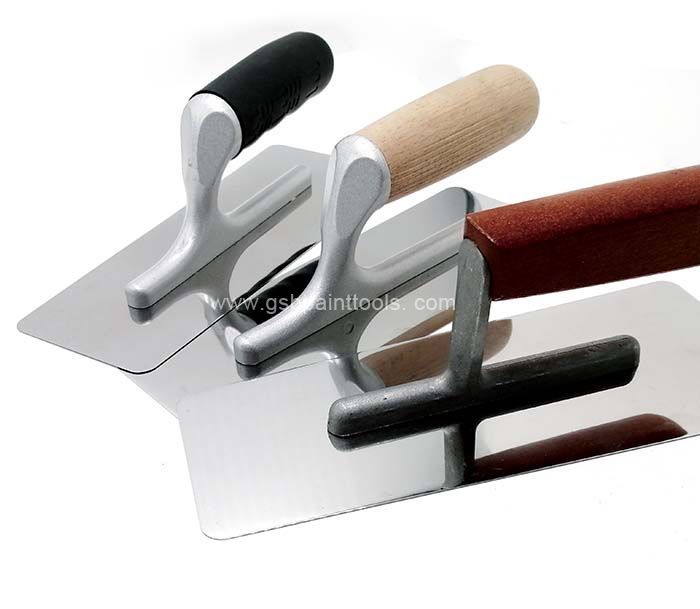
- Preparing the Graining Tool: Select your G.SB wood graining tool and choose the appropriate comb or brush for your desired wood effect. This choice will drastically impact the final look.
- Applying the Graining Color: While the base coat is still slightly tacky, apply the graining color using a brush to cover the area. Ensure even distribution without heavy buildup.
- Creating the Grain: Immediately after applying the graining color, use the G.SB tool to drag through the paint in a straight or wavy line mimicking the natural grain pattern. Practicing on a scrap piece can help refine your technique.
- Drying Process: Allow the newly created wood grain effect to dry fully. Depending on the humidity and temperature, this might take around 4–6 hours.
Common Errors and Solutions
Users often face pitfalls when working with wood graining tools. Here’s a list of common mistakes along with solutions:
- Issue: Uneven paint application.
Solution: Ensure the base coat is applied in thin, even layers and dry before proceeding to the next step. - Issue: Tool slip creating non-uniform patterns.
Solution: Practice the technique on cardboard to find the right grip and movement before tackling the final surface. - Issue: Colors don’t match expectations.
Solution: Choose paint shades closely resembling natural wood. Always test your colors side by side to evaluate.
Summary and Suggestions
Wood graining tools, particularly those from G.SB, provide users with the ability to create stunning, realistic finishes that can transform any object. By understanding the materials needed and following the step-by-step guidelines, customers can achieve beautiful wood effects tailored to their personal needs. Further, by analyzing common errors and being mindful of techniques, users can save both time and resources on their projects.
FAQ: Your Wood Graining Tool Questions Answered
Q1: Can I use wood graining tools on already painted surfaces?
A1: Yes, ensure that the surface is clean and lightly sanded for better adhesion.
Q2: How long does the wood grain effect last?
A2: If applied correctly, the finish can last for years, especially when sealed with a topcoat.
Q3: Is professional help needed?
A3: While professional guidance can help, many users have successfully used G.SB tools with practice and patience.