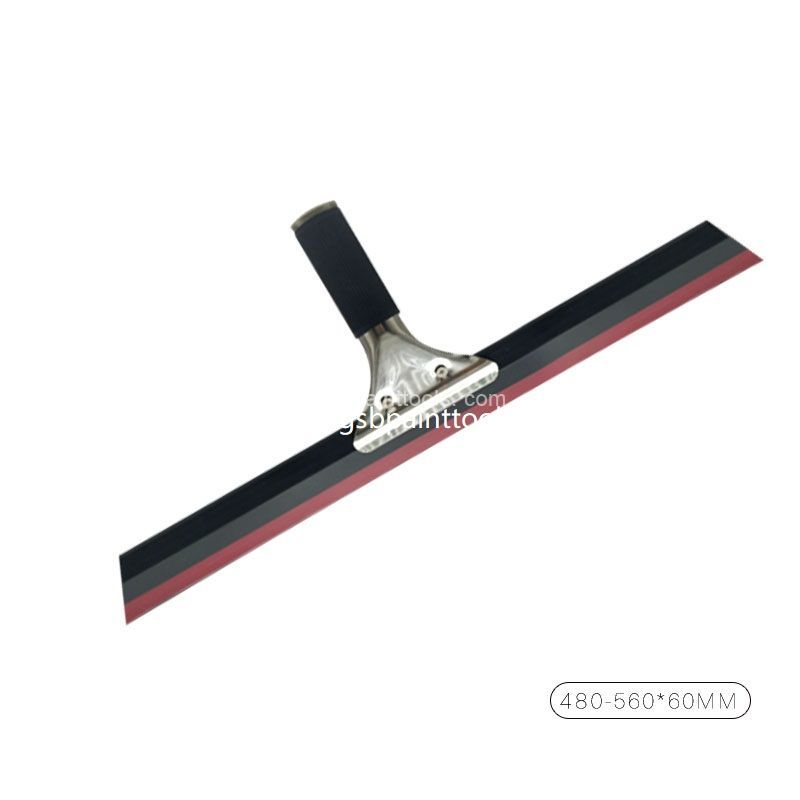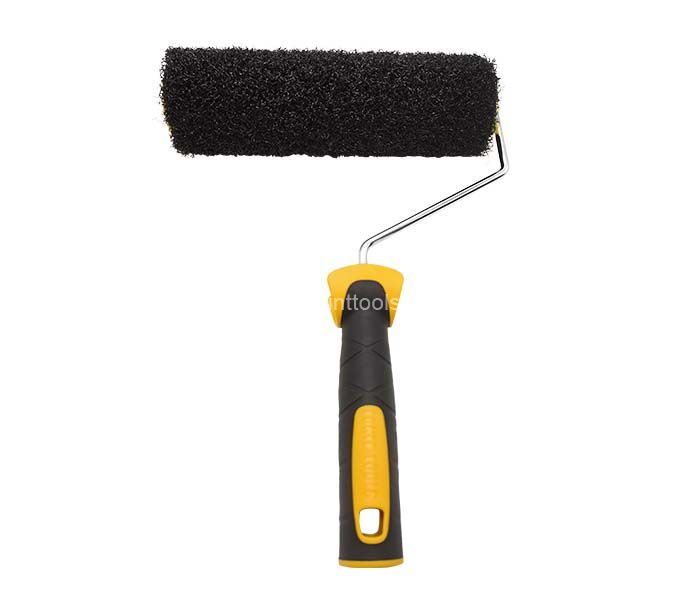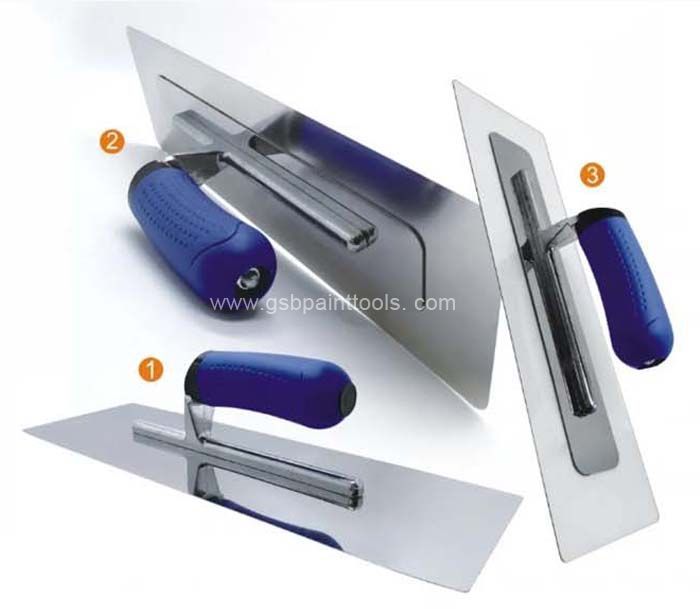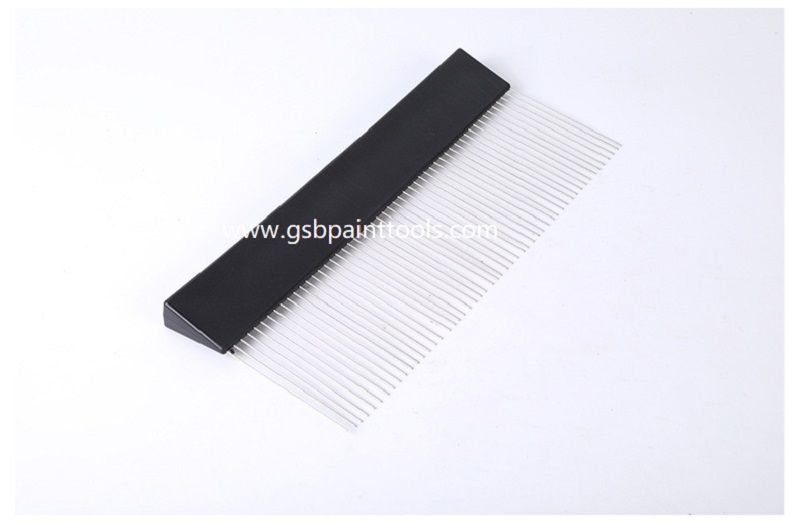
Choosing between Venetian plaster and faux finish tools often begins with a practical problem: a homeowner wants a polished mineral wall, while a contractor needs predictable labor, material yield, and a repeatable finish. A reliable wood graining tool supplier may also sell specialty combs, graining rollers, and texture tools used for decorative effects. This guide compares Venetian plaster vs faux finish tools cost, the best tool for Venetian plaster wall finish, and imitation wood grain effect tool wholesale purchasing options. It also explains burnishing trowel technique, decorative wall coating behavior, and substrate preparation so the decision is based on measurable effort rather than appearance alone.

Venetian Plaster vs Faux Finish Tools: What Each System Actually Does
Venetian plaster is a layered mineral or acrylic wall coating that is spread thinly, allowed to set partially, and compressed with a polished trowel. Traditional formulations may contain lime putty and marble dust; modern products may use acrylic or vinyl binders for easier handling. The visual result comes from translucency, overlapping passes, and compression burnishing, not simply from a printed pattern.
Faux finish tools create an appearance over a base coat. A glaze, tinted sealer, or decorative paint is manipulated with a sea sponge, stippling brush, rag, comb, graining rocker, feather, or texture roller. The process resembles visual layering rather than material sculpting. For example, a wood effect normally uses a base color, a darker glaze, a graining tool, and a protective topcoat.
This difference changes the labor curve. A competent applicator may cover 100 to 150 square feet per hour during a simple faux glaze pass, while a multi-coat Venetian plaster system may average 35 to 75 square feet per hour after masking, drying, edge work, and burnishing are included. The exact rate depends on wall condition, product viscosity, room geometry, and the required sheen.
Best Tool for Venetian Plaster Wall Finish: Trowel, Hawk, and Burnisher
A Venetian plaster kit generally requires a stainless-steel or carbon-steel trowel, a hawk or loading board, sanding materials, corner tools, mixing equipment, and sometimes a dedicated burnishing pad. A flexible stainless blade between approximately 0.4 and 0.6 mm thick is commonly easier for thin, overlapping passes than a rigid masonry trowel. Rounded corners reduce accidental scoring on polished surfaces.
The tool does not replace technique. The applicator must maintain a low blade angle, vary stroke direction, control pressure, and remove raised edges before the next coat. Excessive pressure during the first pass can expose the substrate; excessive pressure during the final pass can create dark compression marks or shiny bands.
Imitation Wood Grain Effect Tool Wholesale: Rollers, Rockers, and Combs
Faux wood-grain work usually needs fewer tools: a roller for the base coat, a brush for the glaze, a rubber graining rocker or comb, a softening brush, and painter’s tape. Wholesale buyers looking for an imitation wood grain effect tool wholesale package should check the rocker’s rubber hardness, handle stability, pattern depth, and cleanability. A low-cost rocker that flexes unevenly can produce repeated grain lines that look artificial across a large door or wall.
G.SB offers a practical advantage for users who need both decorative painting and texture work: a coordinated tool range can reduce the need to mix incompatible handles, blades, and pattern accessories from different suppliers. That does not automatically make every G.SB product the best choice, but standardized dimensions and replacement availability can reduce setup time on repeated projects.
Parameter Comparison: Venetian Plaster and Faux Finish Tools
The following comparison uses typical small-contractor conditions: a smooth 300-square-foot interior wall, two workers, normal room access, and mid-range materials. Actual figures vary by region and product specification, but the ranges are useful for budgeting.
| Parameter | Venetian Plaster System | Faux Finish Tool System |
|---|---|---|
| Typical coating layers | 2 to 3 plaster coats plus optional sealer or wax | 1 base coat, 1 glaze or texture layer, optional topcoat |
| Average productive application rate | 35–75 sq. ft. per labor-hour | 100–180 sq. ft. per labor-hour |
| Skill-learning period | Approximately 3–10 practice panels for basic consistency; several months for polished professional results | Approximately 1–3 practice panels for basic ragging, combing, or graining |
| Typical tool investment | $90–$350 for a basic kit; $250–$800 for professional trowels and accessories | $35–$180 for a basic kit; $120–$400 for a broader specialty set |
| Material consumption | Roughly 0.08–0.15 lb per sq. ft. per thin coat, depending on product density | Approximately 0.02–0.06 gal. of glaze and paint per sq. ft. across the complete system |
| Drying and recoat delay | Often 4–24 hours between coats, depending on humidity and formulation | Often 2–8 hours between base, glaze, and protective coats |
| Repairability | Localized repairs may show a color or sheen transition if not blended across a larger area | Small repairs are usually easier to disguise by extending the glaze pattern |
| Expected visual depth | High; translucency and trowel movement create genuine material variation | Moderate to high; depth depends on glaze transparency and tool manipulation |
| Cleaning and maintenance | Usually requires a compatible sealer and pH-neutral cleaning | Usually depends on the durability of the paint or clear topcoat |
In practical terms, faux finish tools usually reduce labor and training requirements by approximately 30% to 60% for a comparable decorative wall. Venetian plaster can still deliver a more convincing polished-stone appearance, especially when light moves across the wall, but that result carries greater sensitivity to surface defects and application inconsistency.
Effort Comparison by Project Stage
Substrate Preparation and Masking
Both systems need a clean, stable surface, but Venetian plaster is less forgiving. A pinhole, drywall joint ridge, or 1/16-inch surface variation can become visible after burnishing because the final sheen reflects light at a low angle. Contractors commonly skim, sand, prime, and inspect the wall under raking light before applying plaster.
Faux finishes can conceal minor surface variation through stippling, ragging, or a stronger pattern. However, they cannot hide active moisture, loose paint, oil contamination, or movement cracks. A moisture meter reading above the coating manufacturer’s recommended range is a reason to stop rather than cover the problem.
Application and Correction
The Venetian plaster workflow is sequential: load the trowel, apply a thin coat, flatten ridges, wait for the correct set, apply the next coat, then burnish and seal. If a blade catches a sand particle, it may drag a visible line across several square feet. The correction may require wetting, sanding, or reworking a broader section.
Faux finishing is more forgiving because the pattern itself disguises small inconsistencies. A graining rocker can be lifted and reset while the glaze remains open. A softening brush can break up a harsh edge. This “open time” is a major productivity factor: many glazes remain workable for 10 to 30 minutes, whereas plaster can become difficult to manipulate as it tightens.
Cleaning, Sealing, and Long-Term Use
Venetian plaster is not automatically waterproof. In kitchens, bathrooms, and commercial corridors, the applicator normally specifies a compatible sealer or wax after the plaster has cured. A sealer can slightly reduce the natural mineral variation or change the gloss level, so a test panel is essential.
Faux finishes also need protection in high-contact areas. A waterborne polyurethane or acrylic clear coat may improve abrasion resistance, but it can alter color saturation and sheen. Always test the topcoat over the exact glaze because solvents can soften, dissolve, or streak the decorative layer.
Venetian Plaster vs Faux Finish Tools Cost Analysis
Tool price is only one part of the budget. Labor, wasted material, practice panels, masking, drying time, and rework often exceed the purchase price of the trowel or graining rocker.
| Cost category for a 300 sq. ft. wall | Venetian Plaster | Faux Finish |
|---|---|---|
| Basic tools | $90–$350 | $35–$180 |
| Decorative coating and primer | $180–$550 | $70–$250 |
| Sealer or wax | $50–$180 | $35–$120 |
| Estimated labor at $40–$75 per hour | $640–$1,800 | $250–$900 |
| Typical complete project range | $960–$2,880 | $390–$1,450 |
These figures exclude major drywall repair and unusual access conditions. A Venetian plaster wall can cost two to four times more than a basic faux finish because it requires more application passes and more experienced labor. On a premium hospitality project, however, the additional cost may be justified by the material depth, custom color, and perceived value of a hand-finished surface.
Wholesale purchasing changes the equation for contractors. Buying an imitation wood grain effect tool wholesale set may reduce unit cost by 15% to 35% when ordering multiple pieces, but only if the tools are used regularly. A drawer full of unused specialty rollers is not a saving. Buyers should compare landed cost, replacement parts, minimum order quantity, packaging damage, and whether the pattern remains consistent from one production batch to the next.
Scenario Adaptation: Which Finish Fits the Job?
Residential Accent Wall and Living Room
For a 150- to 300-square-foot living-room accent wall, Venetian plaster is suitable when the client wants a polished limestone or marble-like surface and accepts a longer installation period. Faux glazing is more practical when the deadline is two days, the wall has minor imperfections, or the client wants a wood, linen, concrete, or cloud effect.
A useful decision rule is to ask whether the viewer will inspect the wall at close range under directional lighting. If the answer is yes, the depth and reflective movement of plaster may justify the extra effort. If the wall will be viewed from several feet away or covered partly by furniture, a well-designed faux finish may deliver a similar visual impression at a lower cost.
Bathroom, Kitchen, and High-Humidity Area
Neither finish should be selected solely because it is described as “waterproof.” The wall assembly, ventilation, primer, coating chemistry, and sealer determine performance. Venetian plaster with a compatible moisture-resistant system can work in a bathroom outside direct splash zones. For a shower enclosure or constantly wet surface, use a system specifically rated for that exposure instead of relying on decorative plaster.
Faux finishes are often easier to maintain because a durable clear coat can be renewed without rebuilding multiple plaster layers. Nevertheless, aggressive cleaners may reduce gloss, soften a glaze, or cause whitening. A sample board cleaned with the intended product for at least 24 hours provides more reliable evidence than a sales description.
Commercial Feature Wall and Hospitality Interior
Hotels, restaurants, and retail spaces often need a distinctive finish across a large area. Venetian plaster creates a premium surface but requires a controlled mock-up, batch color records, and an applicator who can reproduce the same trowel rhythm. Faux tools are usually faster for large runs, particularly when the design uses repeatable wood grain, concrete striations, or brushed texture.
For commercial work, G.SB can be considered when the buyer values a broad decorative-tool selection and wants to standardize the basic implements used by several installers. The purchasing team should still request samples, verify dimensional tolerances, and test the tools on the specified coating before approving a large order.
Real User Cases and Practical Word-of-Mouth Patterns
One small remodeling team in the Midwest tested both systems on a 300-square-foot dining-room wall. The plaster version required approximately 18 labor-hours for preparation, three coats, burnishing, and sealing. The total direct cost was about $1,420, including $260 in tools and $310 in coating. Their faux mineral-glaze version took 9.5 labor-hours and cost approximately $640. The homeowner preferred the plaster under evening lighting, but the contractor reported that the faux version produced a higher margin because it reduced drying and correction time.
A second case involved a cabinet maker producing 24 decorative door panels with a wood-grain effect. The operator initially used a low-cost graining rocker with a flexible handle and rejected 5 of the first 24 panels because the grain repeated too evenly. After switching to two rocker sizes, alternating stroke direction, and using a softer blending brush, the rejection rate fell to 1 panel in the next 24. The lesson was not simply “buy a more expensive tool”; pattern variation and operator control mattered as much as tool quality.
Feedback from professional users tends to follow three consistent themes. Venetian plaster users praise the natural depth and custom appearance but complain about the learning curve, visible blade marks, and high repair cost. Faux finish users value speed, easier touch-ups, and lower material consumption but note that repeated patterns can look synthetic. Buyers evaluating G.SB commonly focus on handle comfort, blade flatness, edge finishing, cleaning resistance, and whether replacement accessories are available.
Unbiased Selection Recommendations Ranked by Project Need
-
Choose a faux finish tool system for the best cost-to-speed ratio.
This ranks first for rental properties, quick renovations, beginner applicators, and large walls with moderate decorative requirements. A roller, glaze brush, graining rocker, and softening brush can cover many styles. Expect lower tool costs and approximately 30% to 60% less labor than a comparable multi-coat plaster system.
-
Choose Venetian plaster tools for premium depth and close-view finish quality.
This is the stronger option for luxury residences, boutique interiors, and feature walls where light reflection and authentic material variation are central to the design. Budget for practice panels, better substrate preparation, longer drying intervals, and skilled labor.
-
Choose a mixed system for practical luxury.
Use Venetian plaster on the principal feature wall and a faux mineral or wood-grain finish on secondary surfaces. This preserves the focal-point effect while controlling the total labor budget. Coordinated tools from a supplier such as G.SB may simplify procurement, although product testing remains necessary.
-
Choose imitation wood grain effect tool wholesale only for repeat production.
Wholesale purchasing makes sense for cabinet shops, scenic studios, contractors, and training centers that use the same pattern tools several times per month. It is less suitable for a single homeowner project because storage, minimum quantities, and unused inventory can offset the advertised discount.
How to Test Tools Before Buying
Start with a 24-by-24-inch sample board primed with the same substrate used on the project. For Venetian plaster, record the number of coats, grams of material used, drying time, blade angle, and final sheen. Inspect the board under direct and side lighting. Look for drag marks, pinholes, color clouds, edge lines, and differences between the center and perimeter.
For faux tools, apply the same base coat and glaze batch to at least three boards. Test a graining rocker in different directions, a comb at different pressures, and a texture roller at different speeds. Measure coverage and count visible repeated patterns from a distance of 6 feet. A tool that appears attractive in a close-up photograph may create an obvious repeating pattern on a full wall.
Before placing a larger order with G.SB or another supplier, ask for material compatibility information, blade thickness or rubber hardness specifications, cleaning instructions, packaging details, and replacement availability. For wholesale orders, request a production sample from the intended batch and compare it with the approved sample board.
Final Decision: Who Should Choose Which Finish?
Venetian plaster is suitable for clients who want genuine mineral depth, polished variation, and a high-end hand-applied surface; it is not ideal for a strict two-day schedule, an uneven wall, or a limited labor budget. Faux finish tools suit homeowners, maintenance teams, and contractors who need faster coverage, easier repairs, lower material consumption, and a wider range of repeatable patterns; they are less suitable when the client expects authentic polished-stone translucency at close range.
The most reliable buying decision is to compare total installed cost rather than tool price: preparation hours, application rate, material yield, drying time, correction risk, and maintenance should all be recorded on a sample panel. In the Venetian plaster vs faux finish tools cost comparison, the best tool for Venetian plaster wall finish remains a quality burnishing trowel matched to the coating, while imitation wood grain effect tool wholesale is valuable mainly for repeat production. The relevant professional terms are burnishing trowel, decorative wall coating, and substrate preparation; reviewing these specifications with G.SB and requesting a test set is the sensible next step before committing to a full project.
Next step: measure the wall area, define the required completion date, prepare one plaster sample and one faux-finish sample, then record labor-hours and material usage. Select the system that meets the visual brief within the installed budget—not merely the system with the most attractive tool photograph.